
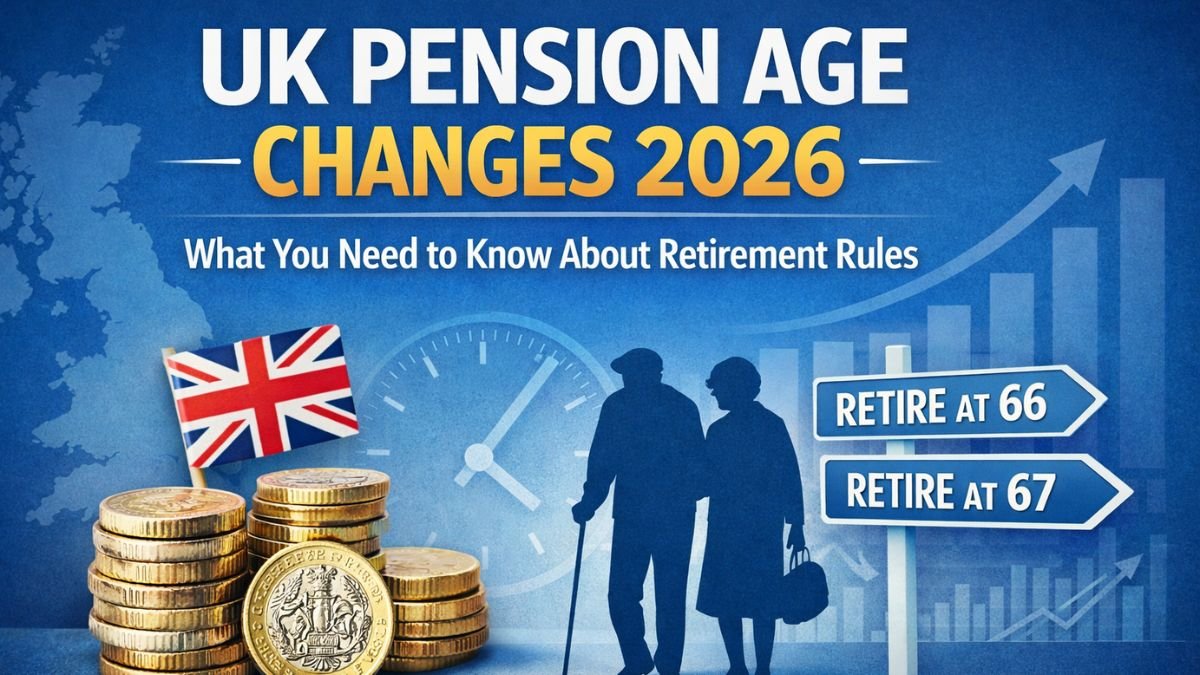
The topic of pension age has always been a sensitive and highly debated issue in the United Kingdom. As 2026 approaches, discussions around retirement rules and pension eligibility are becoming more important than ever. With people living longer, healthcare improving, and economic pressures increasing, the government continues to reassess the pension system to ensure its sustainability. These changes are not just numbers on paper—they directly affect millions of individuals planning their retirement and financial future.
Understanding the upcoming pension age changes in 2026 is essential for anyone nearing retirement or even those still years away from it. This article provides a detailed and humanized explanation of what these changes mean, why they are happening, and how individuals can prepare effectively.
Why the UK Pension Age Is Changing
The primary reason behind the changes in the UK pension age lies in increasing life expectancy. Over the past few decades, people have been living significantly longer than previous generations. While this is a positive development, it also places additional strain on public finances, especially pension systems funded by taxpayers.
The government has to balance providing financial support for retirees while ensuring that the system remains affordable. As a result, raising the pension age has become a practical solution to maintain sustainability. It allows individuals to contribute to the workforce for a longer period while reducing the overall burden on the pension system.
Economic factors also play a major role. Inflation, public spending, and workforce participation rates all influence pension policies. The 2026 changes reflect a broader strategy aimed at adapting to modern demographic and financial realities.
Current Pension Age Structure
Before diving into the 2026 changes, it is important to understand the current pension age framework in the UK. As of now, the State Pension age is 66 for both men and women. This equalization was completed in recent years as part of earlier reforms.
There are already plans in place to gradually increase the pension age further. It is scheduled to rise to 67 between 2026 and 2028, and eventually to 68 in the following years. These incremental increases are designed to give people time to adjust their retirement planning accordingly.
The 2026 milestone marks the beginning of the next significant shift, making it a crucial year for those approaching retirement.
Key Changes Coming in 2026
The year 2026 is set to introduce the gradual increase of the State Pension age from 66 to 67. This change will not happen overnight but will be implemented in phases, affecting individuals born after a certain date.
For many people, this means working longer than they initially planned. Those who expected to retire at 66 may need to adjust their expectations and financial strategies. While the increase may seem small, even a one-year delay can have a significant impact on retirement planning, savings, and lifestyle choices.
Another important aspect of the 2026 changes is increased emphasis on personal responsibility. The government is encouraging individuals to take greater control of their retirement savings through private pensions and investments. This shift reflects a broader move away from relying solely on state support.
Impact on Retirement Planning
The upcoming changes will have a direct impact on how people plan their retirement. Individuals nearing retirement age must reassess their financial readiness and adjust their timelines.
For some, working an extra year may not be a major issue, especially if they are in good health and enjoy their profession. However, for others—particularly those in physically demanding jobs—it can present significant challenges. This makes early planning even more important.
Savings strategies may also need to be revised. People might need to contribute more to their pension funds or explore additional income sources to bridge the gap created by the delayed pension age. Financial advisors are increasingly recommending diversified retirement portfolios to ensure stability and flexibility.
Challenges Faced by Workers
While the changes aim to ensure long-term sustainability, they are not without challenges. One of the biggest concerns is the ability of older workers to remain employed. Age discrimination, health issues, and limited job opportunities can make it difficult for individuals to continue working into their late 60s.
Those in physically demanding roles may find it particularly hard to extend their careers. Construction workers, healthcare staff, and manual laborers often face health-related limitations that make prolonged work challenging.
Additionally, there is a psychological aspect to consider. Many people have a fixed idea of when they want to retire, and changes to pension age can disrupt these expectations. This can lead to stress and uncertainty, especially for those who have already made retirement plans.
Opportunities Hidden in the Changes
Despite the challenges, the 2026 pension age changes also present new opportunities. Longer working lives can mean higher overall earnings, increased savings, and potentially larger pension payouts.
For some individuals, continuing to work provides a sense of purpose and social engagement. Retirement does not necessarily mean stopping work entirely; many people are now choosing flexible or part-time roles instead.
The shift also encourages better financial awareness. More people are becoming proactive about managing their savings, investments, and retirement goals. This increased awareness can lead to more secure and comfortable retirements in the long run.
Role of Private Pensions
With the state pension age rising, private pensions are becoming increasingly important. Workplace pension schemes and personal savings plans play a crucial role in bridging the gap between retirement and state pension eligibility.
Auto-enrolment has already helped millions of workers start saving for retirement. However, contributions may need to be increased to keep up with the changing pension landscape.
Private pensions offer flexibility that state pensions cannot. Individuals can choose when to access their funds, allowing them to tailor their retirement according to their needs and preferences. This flexibility becomes especially valuable in light of the 2026 changes.
How to Prepare for the Changes
Preparation is key to navigating the upcoming pension age adjustments. The first step is understanding your own pension timeline and how the changes affect you personally. Checking your State Pension forecast can provide valuable insights into your expected retirement income.
Financial planning should start as early as possible. Increasing contributions to pension schemes, reducing unnecessary expenses, and investing wisely can all help build a stronger financial foundation.
It is also important to consider health and career longevity. Maintaining good health and developing adaptable skills can make it easier to continue working if needed. Planning for alternative career paths or part-time work options can also provide added security.
Government Support and Policies
The UK government continues to provide various forms of support to help individuals adjust to pension changes. This includes guidance services, financial advice programs, and initiatives aimed at supporting older workers in the job market.
Policies are also being developed to address issues such as workplace discrimination and skill development for older employees. These efforts aim to create a more inclusive and supportive environment for those working beyond traditional retirement ages.
While the responsibility for retirement planning is increasingly shifting to individuals, government support remains an important part of the system.
Conclusion
The UK Pension Age Changes in 2026 represent a significant shift in the country’s retirement landscape. While the increase from 66 to 67 may seem modest, its impact on individuals and families is substantial. It reflects broader societal changes, including longer life expectancy and evolving economic conditions.
For many, these changes will require adjustments in retirement plans, financial strategies, and career expectations. While challenges exist, there are also opportunities to build stronger financial security and embrace more flexible approaches to retirement.
Ultimately, the key to navigating these changes lies in awareness, preparation, and adaptability. By understanding the new rules and taking proactive steps, individuals can ensure a more stable and fulfilling retirement despite the evolving pension landscape.
FAQs
1. What is the UK pension age in 2026?
The UK state pension age is expected to remain around 66, with gradual increases planned in future years.
2. Will the pension age increase after 2026?
Yes, the UK government has plans to gradually raise the pension age to 67 and beyond.
3. Who is affected by the 2026 pension changes?
People nearing retirement age and future retirees will be impacted by updated rules and timelines.
