
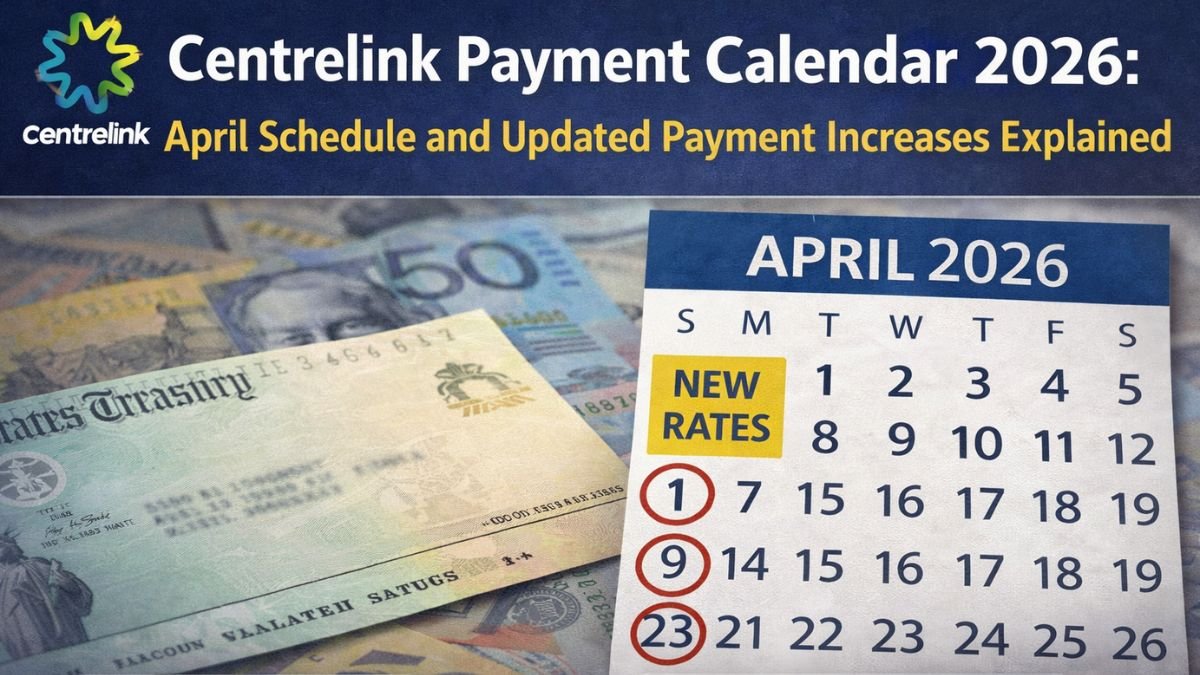
For millions of Australians, Centrelink payments form the backbone of financial stability, helping individuals and families manage everyday expenses. As April 2026 arrives, many recipients are eager to understand the updated payment calendar, revised schedules, and any increases that may affect their income. With the cost of living continuing to fluctuate, even small changes in benefit amounts or payment timing can have a significant impact on budgeting and financial planning.
This article offers a complete and easy-to-understand breakdown of the Centrelink Payment Calendar for April 2026. It explores the updated payment schedule, explains the recent increases in benefits, and highlights what recipients need to know to stay informed and prepared throughout the month.
April 2026 Payment Schedule: What to Expect
The Centrelink payment schedule for April 2026 follows a structured timeline designed to ensure that recipients receive their benefits consistently and on time. Payments are typically issued based on individual reporting dates and eligibility cycles, which may vary depending on the type of benefit a person receives.
In April, public holidays such as Good Friday and Easter Monday may influence payment dates. When a scheduled payment falls on a public holiday, Centrelink usually processes the payment earlier to avoid delays. This adjustment ensures that recipients are not left waiting for essential funds during important periods.
For most recipients, payments will continue on a fortnightly basis. However, it is essential to regularly check your personal Centrelink account or official notifications, as individual payment dates can differ depending on your reporting schedule and circumstances.
Payment Increases in 2026: A Welcome Relief
One of the most anticipated updates for April 2026 is the increase in Centrelink payments. These adjustments are part of the government’s effort to help individuals cope with rising living costs, including housing, groceries, and utilities.
The payment increases are typically linked to indexation, which means benefit amounts are adjusted in line with inflation and changes in the cost of living. In 2026, many recipients, including pensioners, job seekers, and families, have seen a noticeable boost in their payments.
While the exact increase varies depending on the type of benefit, the overall goal is to provide better financial support. For pensioners, this may mean a modest but meaningful rise in fortnightly payments. JobSeeker recipients may also notice an increase aimed at improving financial resilience during periods of unemployment.
Types of Payments Affected by the Increase
Several key Centrelink payments have been impacted by the April 2026 adjustments. Age Pension recipients are among those benefiting from the changes, as the government continues to prioritize support for older Australians.
Similarly, individuals receiving JobSeeker payments have seen updates designed to address concerns about affordability and basic living expenses. Youth Allowance recipients, particularly students and apprentices, may also experience slight increases that help offset educational and living costs.
Family-related payments, such as Family Tax Benefit, have also been reviewed. These adjustments are especially important for households managing childcare expenses, school fees, and other family-related costs.
Overall, the increases reflect a broader effort to ensure that social support payments remain relevant and effective in a changing economic environment.
How Payment Changes Impact Household Budgets
Even a small increase in Centrelink payments can make a noticeable difference in a household budget. For many recipients, these payments are used to cover essential expenses such as rent, groceries, transportation, and utility bills.
With the April 2026 increases, recipients may find it slightly easier to manage rising costs. This could mean less financial stress when paying bills or a bit more flexibility to handle unexpected expenses.
However, it is important to approach these increases with careful planning. While the additional funds are helpful, they may not fully offset all cost-of-living pressures. Creating a realistic budget and prioritizing essential expenses remains crucial for maintaining financial stability.
Reporting Requirements and Payment Accuracy
To ensure that payments are accurate and timely, Centrelink recipients must continue to meet their reporting obligations. This includes declaring income, updating personal details, and reporting any changes in circumstances.
In April 2026, these requirements remain unchanged, but they are more important than ever. With payment increases in effect, accurate reporting ensures that recipients receive the correct amount without overpayments or delays.
Failure to report accurately can result in adjustments, repayment obligations, or interruptions in payments. Therefore, staying on top of reporting deadlines and providing accurate information is essential for avoiding complications.
Managing Payments Around Public Holidays
April is known for its public holidays, particularly around Easter. These holidays can affect Centrelink payment schedules, but the system is designed to minimize disruption.
If a payment is due on a public holiday, it is usually processed earlier. This means recipients may receive their funds before the expected date. While this can be convenient, it is important to plan accordingly, as the next payment may still follow the regular schedule.
Understanding how these adjustments work can help recipients manage their finances more effectively during holiday periods. Keeping track of payment dates and planning expenses in advance can prevent confusion and ensure a smooth financial flow.
Digital Access and Payment Tracking
In 2026, digital access continues to play a major role in how Centrelink services are delivered. Recipients can easily check their payment dates, view payment history, and receive updates through online accounts and mobile applications.
This level of accessibility makes it easier to stay informed about any changes in payment schedules or benefit amounts. It also allows users to update their information quickly and efficiently, reducing the risk of errors or delays.
For those who may not be comfortable with digital platforms, support services are available to assist with accessing and managing Centrelink accounts. Staying connected to these tools is an important step in ensuring that you receive accurate and timely payments.
Financial Planning Tips for April 2026
With updated payment amounts and potential changes in payment timing, April 2026 is a good opportunity to revisit your financial plan. Understanding your income and expenses can help you make the most of your Centrelink benefits.
Start by reviewing your monthly expenses and identifying areas where you can save. This might include reducing non-essential spending or finding ways to lower utility costs. Allocating funds for essential expenses first ensures that your basic needs are covered.
It is also wise to set aside a small portion of your payments for emergencies. Even a modest savings buffer can provide peace of mind and help you handle unexpected costs without financial strain.
By taking a proactive approach to budgeting, you can make the most of the payment increases and maintain greater financial stability throughout the month.
Staying Informed About Future Updates
Centrelink payments are subject to regular reviews and adjustments, which means staying informed is key. Changes in government policy, economic conditions, and inflation rates can all influence payment amounts and schedules.
Keeping up with official announcements and updates ensures that you are aware of any changes that may affect your benefits. This knowledge allows you to plan ahead and make informed financial decisions.
In addition, understanding how Centrelink payments are calculated and adjusted can provide valuable insight into future changes. This awareness can help you anticipate potential increases or adjustments and prepare accordingly.
Conclusion: Navigating April 2026 with Confidence
The Centrelink Payment Calendar for April 2026 brings a combination of structured scheduling and welcome financial increases. While the system remains consistent in its approach, the adjustments made this year reflect a growing need to support individuals and families facing rising living costs.
By understanding the payment schedule, staying on top of reporting requirements, and planning your finances carefully, you can navigate the month with confidence. The increases in payments provide an opportunity to strengthen your financial position, even in a challenging economic environment.
Ultimately, staying informed and proactive is the key to making the most of your Centrelink benefits. With the right approach, April 2026 can be a month of greater stability and improved financial well-being.
FAQs
1. When will Centrelink payments be made in April 2026?
Payments are usually made fortnightly, but dates may be earlier due to Easter public holidays.
2. Will Centrelink payments increase in April 2026?
Yes, many payments have increased due to cost-of-living indexation adjustments.
3. Do I need to report my income to receive payments?
Yes, regular income reporting is required to ensure accurate and timely payments.
