
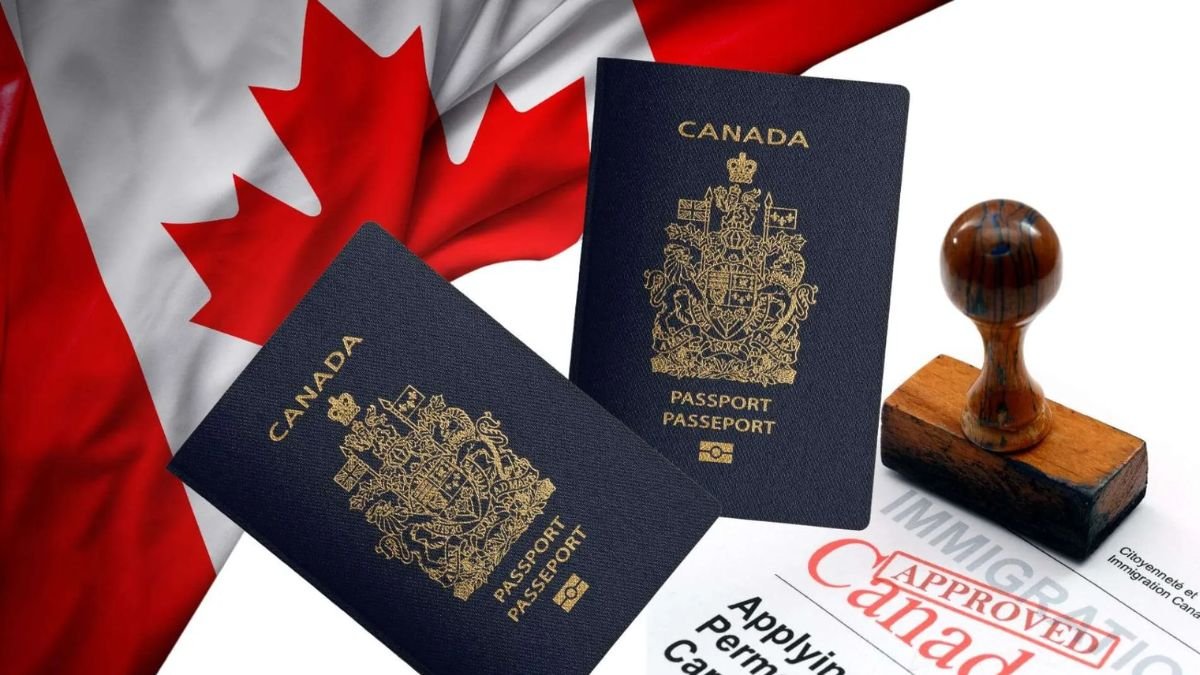
In a significant move aimed at reshaping its immigration landscape, Canada has introduced a series of updates to its immigration system, including changes to visa fees, work permit rules, and other key policies. These updates, which came into effect starting April 1, reflect the country’s ongoing efforts to balance economic growth, labor market demands, and population management. For prospective immigrants, students, and workers, understanding these changes is essential to navigating the new system effectively.
Why Canada Is Updating Its Immigration Policies
Immigration has long been a cornerstone of Canada’s economic and social development. With an aging population and a growing need for skilled workers, the country relies heavily on newcomers to sustain its workforce and drive innovation. However, rising application volumes and evolving economic conditions have made it necessary to refine existing policies.

The latest changes are designed to streamline processes, ensure fairness, and better align immigration programs with current labor market needs. By updating visa fees and work permit rules, the government aims to maintain a sustainable and efficient system that benefits both immigrants and the broader economy.
Changes to Visa Fees: What Applicants Should Know
One of the most noticeable updates is the revision of visa fees. Applicants across various categories, including study permits, visitor visas, and permanent residency pathways, may now face higher costs. These adjustments are intended to reflect administrative expenses and improve processing infrastructure.
While increased fees may pose a challenge for some applicants, they are also expected to support faster processing times and improved service quality. For many, the investment may still be worthwhile given the opportunities that Canada offers in terms of education, employment, and quality of life.

It is important for applicants to carefully review the updated fee structure before submitting their applications. Planning ahead and budgeting accordingly can help avoid unexpected financial stress during the process.
Updated Work Permit Rules
Another key aspect of the reform involves changes to work permit regulations. These updates aim to make the system more responsive to labor market demands while ensuring fair treatment of foreign workers.
In some cases, eligibility criteria for work permits have been adjusted, potentially affecting who can apply and under what conditions. Employers may also face new requirements when hiring foreign workers, ensuring that job opportunities are first made available to local candidates where possible.
At the same time, the government is working to make certain pathways more flexible, particularly for high-demand sectors. This could benefit skilled workers seeking employment in industries facing labor shortages, making it easier for them to contribute to the Canadian economy.
Impact on International Students
International students form a significant part of Canada’s immigration ecosystem, and the recent changes also have implications for them. Adjustments to study permit fees and post-graduation work opportunities may influence how students plan their education and career paths.
While the cost of studying in Canada may increase slightly, the country continues to offer high-quality education and valuable work experience opportunities. For many students, the ability to transition from education to employment remains a key attraction.
Prospective students should stay informed about the latest rules and ensure that they meet all requirements before applying. Proper planning can help them make the most of the opportunities available.
Effects on Permanent Residency Pathways
The updated immigration system may also impact pathways to permanent residency. Changes in application processes, fees, and eligibility criteria could affect how individuals transition from temporary to permanent status.
Programs that prioritize skilled workers, such as those aligned with labor market needs, may see adjustments to ensure that they attract the right talent. This could mean stricter requirements in some areas and more opportunities in others.
For applicants aiming for permanent residency, staying updated on program-specific changes is crucial. Understanding how these updates affect eligibility can help in making informed decisions and improving the chances of success.
Balancing Opportunities and Challenges
While the new rules bring several benefits, they also present challenges. Higher visa fees may make the process less accessible for some individuals, and stricter work permit regulations could limit opportunities in certain cases.
However, these changes are part of a broader effort to create a more efficient and sustainable immigration system. By aligning policies with economic needs, Canada aims to ensure that immigration continues to support growth and development.
For many applicants, the long-term benefits of living and working in Canada may outweigh the initial challenges. The country’s strong economy, diverse culture, and high standard of living remain major attractions.
Tips for Navigating the New System
Adapting to the updated immigration rules requires careful planning and preparation. Applicants should start by thoroughly researching the latest requirements and ensuring that they meet all criteria before applying.
Keeping documents organized, meeting deadlines, and staying informed about policy updates can significantly improve the application experience. It may also be helpful to seek guidance from immigration professionals or official resources to avoid mistakes.
Financial planning is equally important. With increased visa fees, applicants should budget carefully and consider all associated costs, including application fees, travel expenses, and living costs.
The Future of Immigration in Canada
The recent changes signal a shift toward a more strategic and adaptable immigration system in Canada. As global conditions continue to evolve, the country is likely to introduce further updates to ensure that its policies remain relevant and effective.
Technology is expected to play a larger role in the future, with digital tools improving application processing and communication. At the same time, the focus on attracting skilled talent and supporting economic growth will remain a priority.
Final Thoughts
The revised immigration system in Canada marks an important step in addressing current challenges while preparing for future opportunities. Changes to visa costs, work permit rules, and other policies reflect the government’s commitment to maintaining a balanced and efficient system.
For prospective immigrants, students, and workers, understanding these updates is essential. By staying informed and planning ahead, applicants can navigate the new system with confidence and make the most of the opportunities that Canada continues to offer.
FAQs
Q1. What changes has Canada made to immigration rules?
A. Visa fees and work permit regulations have been updated.
Q2. When did the new immigration rules take effect?
A. The changes started from April 1.
Q3. Are visa fees increased in Canada?
A. Yes, several visa categories now have higher fees.
Q4. Who is affected by the new work permit rules?
A. Foreign workers and employers applying for permits.
Q5. Do these changes affect international students?
A. Yes, updates may impact study permits and work options.
