Rising prices have become a daily reality for millions of households, and the pressure of inflation has affected everything from groceries to housing costs. In response, New York State has introduced a $400 inflation refund check aimed at easing the financial burden on residents. This initiative is part of a broader effort to support middle- and lower-income families who are struggling to keep up with the increasing cost of living.
While the announcement of a $400 refund may sound straightforward, there are several important details that determine who qualifies and how the payments are distributed. Understanding the eligibility rules, requirements, and overall process can help residents ensure they receive the financial assistance they are entitled to.
Understanding the Purpose Behind the $400 Inflation Refund
The $400 inflation refund is designed as a direct relief measure to help residents cope with the rising cost of essential goods and services. Inflation has significantly reduced purchasing power, making it harder for families to manage their budgets. By offering a one-time payment, the state aims to provide immediate financial support without requiring complicated application procedures.
This refund is not a loan or a benefit that needs to be repaid. Instead, it is a form of tax relief, often tied to previous tax filings. The goal is to return a portion of collected revenue back to residents in a way that is both efficient and impactful. For many households, even a modest payment like $400 can help cover utility bills, groceries, or transportation expenses.
Who Is Eligible for the $400 Refund Checks
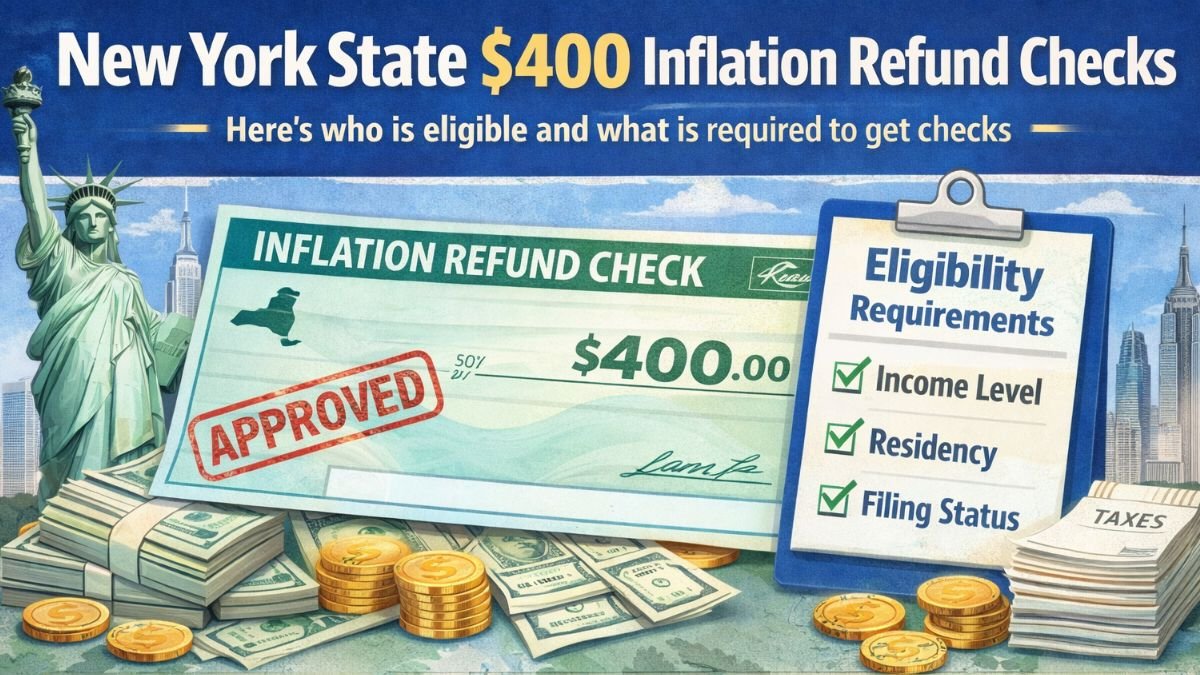
Eligibility for the $400 inflation refund largely depends on income levels, residency status, and tax filing history. Generally, individuals and families who fall within certain income brackets are considered eligible. The program is typically targeted toward middle-income households, as they often feel the squeeze of inflation without qualifying for other forms of assistance.
Residents must have filed their state tax returns for the relevant year to be considered. This ensures that the state has accurate and up-to-date information about income levels and household status. Those who have not filed taxes may not automatically qualify, which highlights the importance of staying compliant with tax requirements.
In addition to income and tax filing, residency plays a key role. Only individuals who are recognized as full-time residents of New York State during the qualifying period are eligible. Temporary residents or those who have recently moved out of the state may not meet the criteria.
Income Limits and Qualification Criteria
The amount and eligibility for the refund often vary depending on income thresholds. Lower-income households are more likely to receive the full $400 payment, while those with higher incomes may receive a reduced amount or may not qualify at all. These thresholds are set to ensure that the relief reaches those who need it the most.
For example, single filers, married couples filing jointly, and heads of household may each have different income limits. These distinctions are important because they reflect the varying financial responsibilities of different household types. Understanding where you fall within these categories can help you determine your eligibility more accurately.
It is also important to note that eligibility may be influenced by factors such as dependents and filing status. Families with children or dependents may receive additional consideration, as their expenses are typically higher.
What You Need to Do to Receive the Payment
One of the most convenient aspects of the $400 inflation refund is that it does not usually require a separate application. In most cases, eligible residents receive the payment automatically based on their tax records. This streamlined approach ensures that funds are distributed quickly and efficiently.
However, there are still a few important steps you should take to ensure you receive your payment. First, make sure your tax filings are complete and accurate. Any errors or missing information could delay or prevent your payment. Second, ensure that your contact details, including your mailing address and bank account information, are up to date with the tax authorities.
For those who opted for direct deposit in their tax returns, the refund is typically deposited directly into their bank accounts. Others may receive a paper check by mail. Keeping an eye on official updates and notifications can help you track the status of your payment.
When Will the Payments Be Distributed
The distribution timeline for the $400 inflation refund checks may vary depending on administrative processes and the volume of payments being issued. Generally, payments are rolled out in phases to ensure a smooth and organized distribution.
Some residents may receive their payments earlier than others, particularly if they filed their taxes early or opted for direct deposit. Others who filed later or require additional verification may experience slight delays. While waiting can be frustrating, it is important to remember that the process is designed to ensure accuracy and fairness.
Staying informed through official announcements can help you understand when to expect your payment. If there are delays, checking your tax filing status or contacting the appropriate authorities can provide clarity.
Common Reasons Why You Might Not Receive the Check
Despite meeting the general criteria, there are situations where individuals may not receive the refund. One common reason is failing to file the required tax return. Without this information, the state cannot verify eligibility.
Another reason could be exceeding the income threshold. If your earnings are above the set limit, you may not qualify for the payment. Additionally, errors in tax filings or outdated personal information can also lead to delays or missed payments.
In some cases, individuals who have outstanding tax liabilities or debts to the state may see their refunds adjusted or withheld. Understanding these potential issues can help you address them proactively and avoid disappointment.
Financial Tips to Make the Most of Your $400 Refund
While $400 may not seem like a large amount, it can still make a meaningful difference if used wisely. One of the best ways to utilize this money is to cover essential expenses such as groceries, utility bills, or transportation costs. This can help free up other parts of your budget.
Another smart approach is to use the refund to reduce debt. Paying down credit card balances or small loans can save you money on interest in the long run. Even a partial payment can make a noticeable impact.
If your immediate needs are already covered, consider saving or investing the money. Building an emergency fund or contributing to a retirement account can provide long-term financial security. Small steps like these can help you turn a one-time payment into lasting benefits.
The Broader Impact of Inflation Relief Programs
Programs like the $400 inflation refund are part of a larger effort to support households during challenging economic times. While they may not solve all financial issues, they provide immediate relief and demonstrate a commitment to helping residents navigate economic uncertainty.
Such initiatives also highlight the importance of government responsiveness to changing economic conditions. By addressing inflation directly, policymakers aim to maintain stability and confidence among residents.
For individuals, these programs serve as a reminder to stay informed and proactive about available benefits. Understanding how these initiatives work can help you take full advantage of the support offered.
Final Thoughts on the $400 Inflation Refund Checks
The New York State $400 inflation refund checks offer a timely and practical solution to help residents manage rising costs. By understanding who is eligible and what is required to receive the payment, you can ensure that you do not miss out on this opportunity.
Although the process is largely automatic, staying informed and keeping your financial records up to date are essential steps. Whether you use the refund to cover daily expenses, reduce debt, or save for the future, it has the potential to provide meaningful support.
In a time when every dollar counts, initiatives like this can make a real difference in the lives of individuals and families. By planning wisely and staying aware of eligibility requirements, you can make the most of the financial relief available to you.
FAQs
1. Who is eligible for the $400 inflation refund in New York?
Residents who meet income limits, filed their state tax returns, and lived in New York during the qualifying period are eligible.
2. Do I need to apply to receive the $400 check?
No, most eligible individuals receive the payment automatically based on their tax filing information.
3. How will I receive the refund payment?
Payments are sent via direct deposit or mailed as a paper check, depending on your tax return details.
