


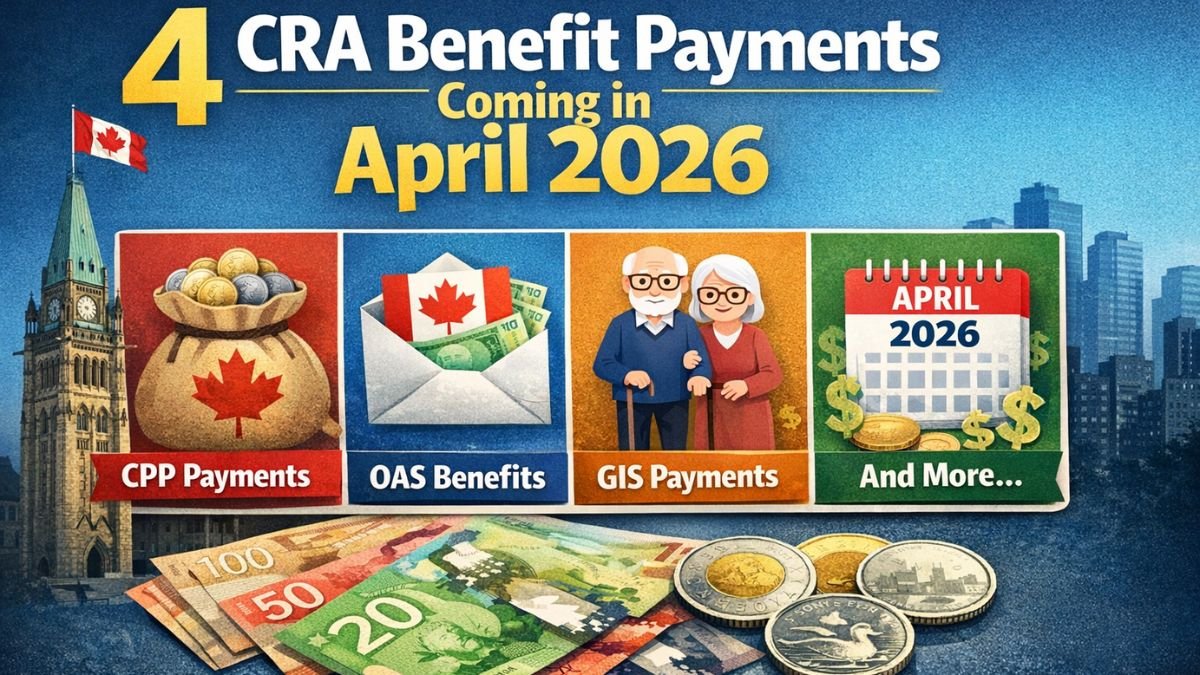
April 2026 brings important financial support for millions of Canadians through various government benefit programs administered by the Canada Revenue Agency (CRA). These payments are not just routine deposits; they play a vital role in helping retirees, low-income individuals, and vulnerable populations manage their everyday expenses. Among the most anticipated benefits this month are the Canada Pension Plan (CPP), Old Age Security (OAS), Guaranteed Income Supplement (GIS), and other supplementary payments that ensure financial stability for eligible recipients.
As the cost of living continues to fluctuate, these benefits act as a financial backbone for many households. Whether you are already receiving payments or planning to apply soon, understanding how these programs work, when payments are issued, and who qualifies is essential. This guide will walk you through everything you need to know about the four CRA benefit payments arriving in April 2026, explained in a simple and practical way.
Canada Pension Plan (CPP): A Lifeline for Retirees
The Canada Pension Plan is one of the most important retirement benefits available to Canadians. It is designed to provide a steady monthly income to individuals who have contributed to the plan during their working years. In April 2026, CPP payments will once again be distributed to eligible recipients, helping them maintain financial independence during retirement.
CPP is not limited to retirement benefits alone. It also includes disability benefits, survivor benefits, and children’s benefits, making it a comprehensive support system. The amount you receive depends on how much and how long you contributed during your employment. Individuals who contributed consistently over many years generally receive higher payments compared to those with shorter contribution histories.
One of the most reassuring aspects of CPP is its reliability. Payments are made monthly and adjusted periodically to reflect inflation, ensuring that beneficiaries can keep up with rising living costs. For many retirees, CPP serves as a foundational income source that supports basic needs such as housing, food, and healthcare.
Old Age Security (OAS): Supporting Seniors Across Canada
Old Age Security is another crucial benefit provided to seniors aged 65 and older. Unlike CPP, OAS does not require prior work contributions. Instead, it is funded through general tax revenues, making it accessible to a broader segment of the population.
In April 2026, eligible seniors will receive their OAS payments as scheduled, offering them consistent financial assistance. The amount of OAS you receive depends on factors such as your age, years of residency in Canada, and income level. Seniors aged 75 and above typically receive slightly higher payments to address increased living and healthcare costs.
OAS is particularly important for individuals who may not have had the opportunity to contribute significantly to CPP during their working years. It ensures that even those with limited employment history can still receive financial support in their later years. For many Canadians, OAS works alongside CPP to create a more stable and secure retirement income.
Guaranteed Income Supplement (GIS): Extra Help for Low-Income Seniors
The Guaranteed Income Supplement is an additional benefit designed specifically for low-income seniors who are already receiving OAS. It provides extra financial assistance to ensure that basic living standards are maintained, especially for those who may struggle to meet daily expenses.
In April 2026, GIS payments will be delivered alongside OAS, offering a combined financial boost to eligible individuals. The amount of GIS you receive depends on your income and marital status. Those with little to no additional income beyond OAS typically receive the highest GIS payments.
GIS plays a critical role in reducing poverty among seniors in Canada. It ensures that even the most financially vulnerable individuals can afford essentials such as groceries, rent, and utilities. For many recipients, GIS is not just a supplement but a necessity that helps them live with dignity and security.
Additional CRA Benefits and Payments
Apart from CPP, OAS, and GIS, there are other CRA-administered benefits that may be issued in April 2026 depending on eligibility. These can include disability benefits, survivor benefits, and other income support programs aimed at assisting different segments of the population.
For example, individuals with disabilities who qualify under CPP Disability Benefits receive monthly payments that help cover medical expenses and living costs. Similarly, survivors of deceased contributors may receive survivor pensions, ensuring financial continuity during difficult times.
These additional benefits highlight the comprehensive nature of Canada’s social support system. They are designed to address a wide range of financial needs, ensuring that no group is left without assistance. Understanding these programs can help individuals take full advantage of the support available to them.
Payment Dates and How to Receive Your Benefits
CRA benefit payments, including CPP, OAS, and GIS, are typically issued on a fixed schedule each month. For April 2026, payments are expected to be deposited toward the end of the month, following the standard government payment calendar.
Most recipients receive their payments through direct deposit, which is the fastest and most secure method. Those who have not enrolled in direct deposit may receive their payments via mailed cheques, although this method can take longer.
To avoid delays, it is important to ensure that your banking information and personal details are up to date with the CRA. Even a small error in your records can result in delayed payments or complications. Staying informed about payment dates and maintaining accurate information can help ensure a smooth and hassle-free experience.
Eligibility Criteria: Who Qualifies for These Benefits
Eligibility for CRA benefits varies depending on the program. For CPP, individuals must have made contributions during their working years. For OAS, eligibility is based primarily on age and residency in Canada. GIS, on the other hand, is income-tested and available only to low-income seniors who already receive OAS.
Understanding these criteria is crucial for anyone planning their financial future. Many individuals assume they are not eligible for certain benefits when, in fact, they may qualify under specific conditions. Taking the time to review eligibility requirements or consult official resources can help ensure that you do not miss out on valuable support.
Applying for these benefits is generally straightforward, especially with online services now widely available. However, it is recommended to apply well in advance, as processing times can vary. Early preparation ensures that you begin receiving payments as soon as you become eligible.
The Importance of These Payments in 2026
In today’s economic environment, government benefits play a more significant role than ever. Rising costs of living, housing challenges, and healthcare expenses have made it increasingly difficult for many individuals to manage their finances without support.
The CRA benefit payments arriving in April 2026 are more than just routine disbursements; they represent a commitment to supporting Canadians during different stages of life. For retirees, they provide stability and independence. For low-income individuals, they offer a safety net that prevents financial hardship.
These programs also contribute to the broader economy by ensuring that individuals have the means to spend on essential goods and services. This, in turn, supports local businesses and communities, creating a positive cycle of economic activity.
Tips to Maximize Your Benefits
Making the most of your CRA benefits requires careful planning and awareness. Keeping track of your income, understanding how benefits are calculated, and staying updated on policy changes can help you maximize your payments.
For example, delaying CPP payments can result in higher monthly amounts, while managing your income can help you qualify for higher GIS payments. Small decisions can have a significant impact on your overall financial situation.
It is also beneficial to regularly review your eligibility status, especially if your circumstances change. Life events such as retirement, changes in income, or relocation can affect your benefits. Staying proactive ensures that you continue to receive the support you need.
Conclusion: Staying Informed and Prepared
The four CRA benefit payments coming in April 2026, including CPP, OAS, GIS, and additional support programs, are essential components of Canada’s social safety net. They provide financial stability, reduce economic inequality, and help individuals maintain a decent standard of living.
By understanding how these benefits work, who qualifies, and when payments are issued, you can better manage your finances and plan for the future. Staying informed is the key to making the most of these programs and ensuring that you receive the full support you are entitled to.
As April approaches, taking a few moments to review your eligibility, update your information, and prepare for incoming payments can make a significant difference. These benefits are designed to support you, and with the right knowledge, you can use them to build a more secure and comfortable future.
FAQs
What is the payment date for CRA benefits in April 2026?
CRA benefits like CPP, OAS, and GIS are usually paid near the end of April 2026, following the official monthly schedule.
Who is eligible for GIS payments?
GIS is available to low-income seniors who are already receiving OAS and meet specific income requirements.
How can I receive my CRA payments faster?
You can receive payments faster by setting up direct deposit through your CRA account instead of waiting for mailed cheques.