



As 2026 begins, a piece of news has rapidly captured the attention of people across the United States: Is everyone truly set to receive a direct deposit of $2,000? Recent reports suggest that the Internal Revenue Service (IRS) may deposit amounts of up to $2,000 directly into the bank accounts of eligible taxpayers, with this process potentially commencing on April 1, 2026.
While this news has sparked hope for financial relief among the public, it is crucial to understand that this is not a universal payment. In other words, not every individual will receive the same amount. This payment will be primarily based on tax returns, credits, and financial eligibility. Therefore, it is essential to rely on accurate information and official updates.
What is the rationale behind the $2,000 direct deposit?
This government initiative did not emerge overnight; it is underpinned by a significant economic rationale. For some time now, inflation has had a substantial impact on people’s daily expenses—such as rent, groceries, transportation, and healthcare.
Consequently, instead of issuing a uniform amount to everyone as it has in the past, the government is now adopting a strategy of providing targeted assistance to those most in need. This is precisely why the $2,000 direct deposit is currently a topic of discussion.
Furthermore, during the tax processing phase, the IRS frequently identifies instances where certain individuals are entitled to additional refunds or credits. Once these adjustments are calculated, the resulting amount can, in many cases, reach up to $2,000.

Will Everyone Receive $2,000?
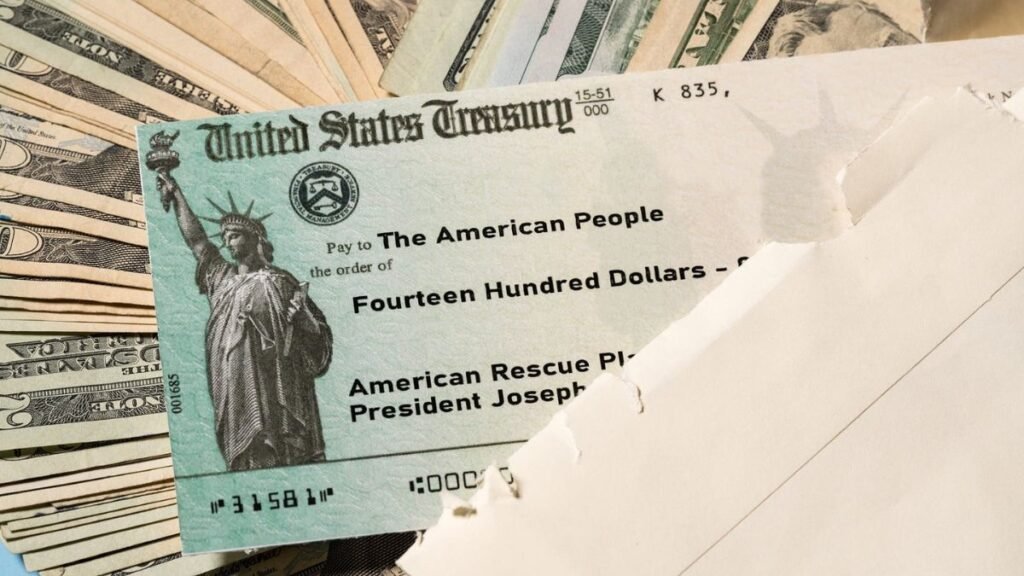
This is the most pressing question—and the answer is “no.”
Although headlines may suggest that this is “for all,” the reality is that this payment is entirely contingent upon eligibility. Not every individual will receive $2,000; some may receive a lesser amount, while others may receive nothing at all.
How Is Eligibility Determined?
The IRS determines whether or not you are eligible for this payment based on your most recent tax returns. This entire process is facilitated through an automated system, ensuring that payments are processed with both speed and accuracy.
Key Factors:
- Adjusted Gross Income (AGI)
- Your income determines whether you will receive the full payment amount or a reduced sum.
- Filing Status
- Single, married, or head of household—your filing status impacts your eligibility.
- Dependents
- Families with children or other dependents may be eligible to receive greater benefits.
- Tax Credits
- Benefits such as the Child Tax Credit and the Earned Income Tax Credit can increase your payment amount.
Income Limits and the Phase-Out System
A “phase-out” system may be implemented under this plan, meaning the following:
- Full benefits for low-to-moderate-income earners
- Payments gradually decrease as income rises.
- Reduced or zero payments for high-income earners
This ensures that assistance reaches those who are truly in need of it.
When and How Will Payments Be Received?
According to reports, payments could begin as early as April 1, 2026; however, not everyone will receive their payment on the same day. The IRS will issue these payments in phases.
Potential Timeline:
- Mid-to-late March 2026: Initial processing begins.
- Starting April 1, 2026: Direct deposits commence
- By the end of April 2026, paper checks may be mailed out.
Those who opt for direct deposit are most likely to receive their funds first.
The Importance of Accurate Banking Information
If you want to ensure that your $2,000 direct deposit arrives on time, it is absolutely crucial that your banking details are accurate.
Please Note:
- Enter your account number and routing number correctly.
- Update any outdated information.
- Provide accurate banking details when filing your tax return.
Past experiences indicate that millions of people faced delays in receiving their payments due to providing incorrect information.
What to Do If You Don’t Receive Your Payment?
If you do not receive your funds on time, there is no need to panic. You can take the following steps:
- Check your status on the IRS website.
- Contact your bank.
- Double-check your tax return information.
- Wait a few days.
If you still do not receive the payment, you can claim it on your next tax return.
Common Reasons for Payment Delays
Payment delays can occur for various reasons, such as:
- Incorrect banking details
- Issues with identity verification
- Errors in the tax return
- Recalculation of income
By understanding these issues, you can take corrective action in a timely manner.
How Will This Payment Affect Families?
For many families, the $2,000 sum can prove to be extremely helpful. It enables them to:
- Pay off bills and debts
- Cover rent or mortgage payments
- Manage daily living expenses
- Build an emergency savings fund.
This helps provide a sense of financial stability and confidence.

Tips for Maximizing Your Benefits
If you wish to take full advantage of this program, keep the following points in mind:
- File your taxes on time.
- Provide accurate information.
- Opt for Direct Deposit
- Check for IRS updates regularly.
Conclusion
The ongoing discussion surrounding the $2,000 IRS Direct Deposit highlights just how essential financial assistance programs remain today. Although this payment is not available to everyone, it can prove to be a significant source of relief for millions of people.
By relying on accurate information, taking timely action, and trusting official sources, you can ensure that you receive your full benefits.
Disclaimer
This article is based on information and reports available as of early 2026. Its sole purpose is to provide general information. It does not constitute financial, tax, or legal advice. Eligibility for the payment, the amount received, and the timing of the disbursement may depend on your individual circumstances. For accurate and up-to-date information, always consult the official website of the Internal Revenue Service (IRS) or seek advice from a tax professional.
FAQs
Q. Is the $2,000 IRS Direct Deposit for everyone?
A. No, not everyone will receive it. Eligibility depends on income, tax credits, and filing details.
Q. When will the payments start?
A. Payments are expected to begin around April 1, 2026, and may be distributed in phases.
Q. How is eligibility determined?
A. The Internal Revenue Service reviews your latest tax return, income level, and claimed credits.
Q. What is the fastest way to receive the payment?
A. Choosing direct deposit while filing your taxes is the fastest way to get the money.
Q. What should I do if I don’t receive my payment?
A. Check your IRS account, verify your bank details, and contact the IRS if needed.