

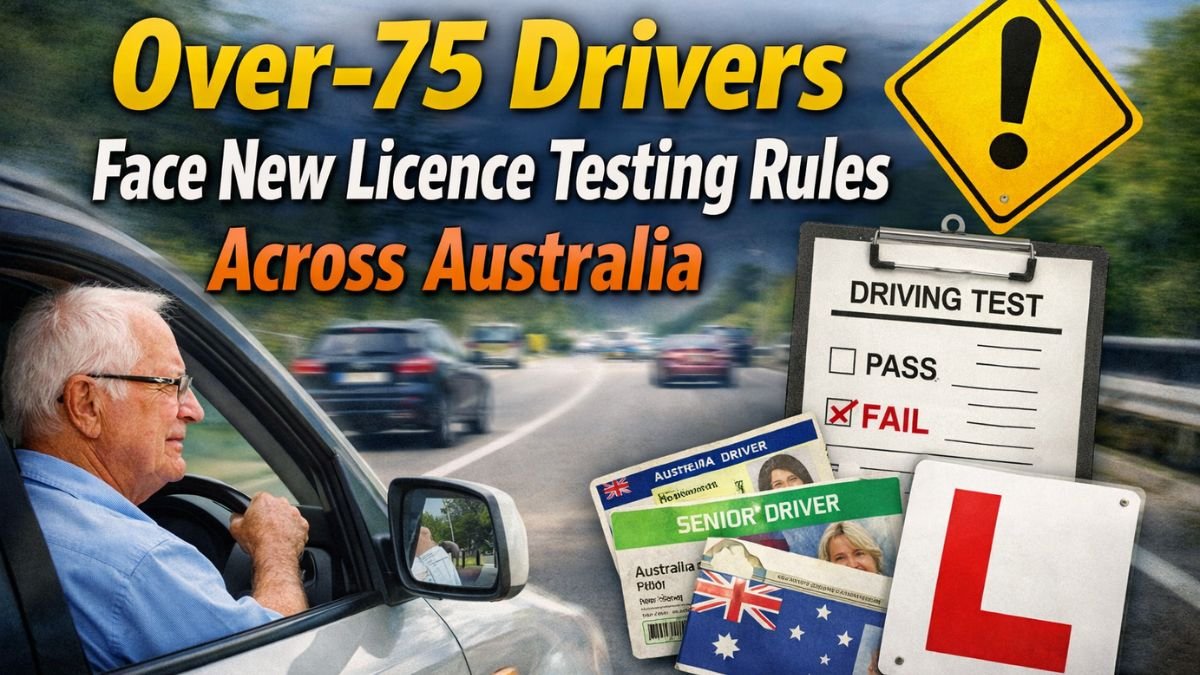
Australia is witnessing a significant shift in how senior drivers are assessed and allowed to remain on the road. With the population steadily aging and more individuals continuing to drive well into their later years, authorities across various states and territories are introducing updated licensing rules specifically targeting drivers aged 75 and above. These changes are not merely administrative; they reflect broader concerns about road safety, public health, and the evolving capabilities of older motorists.
The introduction of stricter testing requirements has sparked nationwide discussion. While some see it as a necessary move to reduce accidents and ensure safer roads, others argue that it may unfairly target older individuals who are still perfectly capable of driving. Understanding the nuances of these new regulations is crucial, especially for seniors and their families navigating this transition.
DWP Confirms £500 One‑Off Support Payment for April 2026 – Check Eligibility Now
Why the New Rules Are Being Introduced
The decision to revise licensing rules for older drivers is largely rooted in safety concerns. As individuals age, natural physical and cognitive changes can impact their driving abilities. Vision may decline, reaction times may slow, and certain medical conditions can affect coordination and judgment. While many seniors continue to drive safely, statistics indicate that the risk of accidents increases with age, particularly after 75.
Government authorities are not aiming to penalize older drivers but to ensure that all motorists on the road meet a consistent safety standard. By introducing periodic testing and health assessments, regulators hope to identify potential risks early and take preventive measures. This proactive approach is designed to protect not only senior drivers themselves but also passengers, pedestrians, and other road users.
Overview of the New Testing Requirements
The new licensing rules vary slightly depending on the state or territory, but they generally include a combination of medical assessments, driving evaluations, and more frequent renewals. Drivers over 75 may now be required to undergo regular health checks conducted by a qualified medical professional. These assessments focus on vision, cognitive function, and overall physical health.
In some regions, practical driving tests are also being introduced or expanded. These tests evaluate real-world driving skills, such as lane discipline, hazard awareness, and response to traffic conditions. Unlike traditional driving tests taken during youth, these evaluations are tailored to assess age-related challenges and ensure that drivers can safely handle modern road environments.
Additionally, licence renewal periods for senior drivers are often shortened. Instead of renewing every five or ten years, older drivers may need to renew annually or every two years. This allows authorities to monitor changes in driving ability more closely.
Differences Across Australian States
One of the complexities of the new rules is that they are not uniform across Australia. Each state and territory has its own regulations, which can create confusion for drivers who relocate or travel frequently. For example, some states require mandatory medical certificates starting at age 75, while others begin at 80. Similarly, the requirement for on-road testing may differ significantly.
Despite these variations, the underlying principle remains consistent: ensuring that older drivers are fit to drive. Authorities are also working towards greater consistency in the future, but for now, it is essential for drivers to stay informed about the specific rules in their region.
The Impact on Senior Drivers
For many older Australians, driving represents independence, freedom, and a connection to the community. Losing the ability to drive can have profound emotional and practical consequences. It can limit access to essential services, reduce social interaction, and impact overall quality of life.
The new testing rules, therefore, are not just about compliance but also about addressing these broader concerns. Some seniors may feel anxious about undergoing tests, fearing failure or the potential loss of their licence. Others may view the process as an opportunity to confirm their ability and continue driving with confidence.
Families also play a crucial role during this transition. Open communication between seniors and their loved ones can help address concerns, provide support, and ensure that decisions are made in the best interest of safety and well-being.
Balancing Safety and Independence
One of the biggest challenges in implementing these new rules is finding the right balance between safety and independence. Authorities must ensure that roads remain safe without unnecessarily restricting capable drivers. This requires a nuanced approach that considers individual circumstances rather than relying solely on age as a determining factor.
Many experts advocate for a more personalized assessment system. Instead of blanket rules based on age, evaluations could focus on specific health conditions, driving history, and overall ability. This approach would allow competent drivers to continue driving while identifying those who may need restrictions or additional support.
Support Systems and Alternatives
Recognizing the potential impact of these changes, governments and communities are exploring ways to support older individuals who may need to reduce or stop driving. Public transportation improvements, community shuttle services, and ride-sharing options are becoming increasingly important.
Educational programs are also being introduced to help seniors adapt to the new rules. These programs provide guidance on safe driving practices, updates on road laws, and tips for maintaining driving skills. In some cases, refresher courses can even help older drivers regain confidence and improve their performance during assessments.
Technology is another area offering promising solutions. Advanced driver-assistance systems in modern vehicles can help compensate for certain limitations, such as reduced vision or slower reaction times. While not a complete substitute for safe driving ability, these features can enhance safety for older motorists.
Public Reaction and Ongoing Debate
The introduction of stricter testing rules has generated mixed reactions across Australia. Supporters argue that the measures are long overdue and essential for reducing road accidents. They point to data showing higher fatality rates among older drivers and emphasize the need for regular assessments.
Critics, however, argue that the rules may be discriminatory and overly restrictive. They contend that age alone should not determine driving ability and that many seniors are safer drivers than younger, less experienced motorists. There are also concerns about the accessibility and cost of testing, particularly in rural areas where medical services may be limited.
The debate highlights the complexity of the issue. While safety is a universal priority, the implementation of policies must also consider fairness, accessibility, and the diverse needs of the population.
Preparing for the Changes
For drivers approaching the age of 75, preparation is key. Staying informed about the specific requirements in their state is the first step. Regular health check-ups can help identify and address potential issues early, increasing the likelihood of passing assessments.
Maintaining an active lifestyle can also play a significant role. Physical fitness, mental sharpness, and good vision are all critical for safe driving. Engaging in activities that promote these aspects can help seniors retain their driving abilities for longer.
It is equally important to approach the testing process with a positive mindset. Rather than viewing it as a threat, drivers can see it as an opportunity to ensure their safety and that of others. Seeking support from family, friends, or professional instructors can also make the process less stressful.
The Future of Senior Driving Regulations
The changes being introduced today may be just the beginning of a broader transformation in how senior drivers are managed. As technology continues to evolve, new tools and systems may further enhance road safety. Autonomous vehicles, for instance, could eventually provide an alternative for those who can no longer drive independently.
Policymakers are likely to continue refining the rules based on data, feedback, and technological advancements. The goal will be to create a system that is both effective and fair, ensuring that all drivers, regardless of age, can navigate the roads safely.
Conclusion: Navigating Change with Confidence
The introduction of new licence testing rules for drivers over 75 in Australia marks a significant step towards improving road safety. While the changes may initially seem challenging, they are ultimately designed to protect individuals and communities alike.
For senior drivers, the key lies in understanding the requirements, preparing adequately, and embracing the process with confidence. With the right support and a balanced approach, it is possible to maintain independence while ensuring safety on the road.
As Australia adapts to an aging population, these reforms represent a necessary evolution. By prioritizing both safety and dignity, the nation can create a road system that works for everyone, today and in the years to come.
FAQs
Q1. What is the new rule for drivers over 75 in Australia?
Drivers aged 75+ may need to undergo additional licence testing and health assessments.
Q2. Why are these new rules introduced?
To improve road safety and ensure elderly drivers are fit to drive.
Q3. Will all over-75 drivers need to take a test?
Requirements may vary by state, but many will need medical or practical assessments.